

I-131 Therapy for Cats: Why Radioactive Iodine Is the Best Treatment for Hyperthyroidism
Hyperthyroidism is one of the most common endocrine diseases affecting older cats. If your veterinarian has recently diagnosed your cat with this condition, you may be wondering which treatment option is best.
While several treatments exist, radioactive iodine therapy (I-131) is widely considered the gold standard treatment for feline hyperthyroidism. It offers a high cure rate, minimal discomfort, and long-term results that many other options cannot match.
At Veterinary Specialist Partners (VSP), we are proud to offer I-131 therapy to cats throughout Kentucky and the surrounding region. In fact, VSP is currently the only veterinary hospital in the state of Kentucky providing radioactive iodine treatment, and many families travel hours — even from areas like Evansville, Indiana — so their cats can receive this advanced care.
Let’s explore why I-131 therapy is considered the most effective treatment for feline hyperthyroidism.
Understanding Hyperthyroidism in Cats
Hyperthyroidism occurs when the thyroid gland produces too much thyroid hormone. This hormone controls metabolism, so when levels become elevated, the body begins to run in a constant state of overdrive.
Most cats with hyperthyroidism develop the condition because of a benign tumor in the thyroid gland. Even though the tumor is not usually cancerous, it causes the gland to release excessive hormone, which can affect multiple organs over time.
Common signs of hyperthyroidism include:
- Weight loss despite a good appetite
- Increased thirst and urination
- Vomiting or diarrhea
- Restlessness or hyperactivity
- Poor coat quality
Left untreated, hyperthyroidism can place strain on the heart, kidneys, and other organs, which is why timely treatment is so important.
Treatment Options for Feline Hyperthyroidism
There are several ways veterinarians may treat hyperthyroidism in cats, including:
Radioactive iodine therapy works differently. Instead of simply controlling hormone levels, I-131 targets and destroys the abnormal thyroid tissue that is causing the disease.
Because of this, it is widely considered the most effective and definitive treatment available.
Medication (Methimazole)
Methimazole is a medication that reduces thyroid hormone production. While it can control symptoms, itdoes not cure the disease. Cats typically require lifelong medication and frequent monitoring, and some develop side effects such as vomiting, itching, or changes in liver values.
Prescription Diet Therapy
Some cats are treated with iodine-restricted diets that limit thyroid hormone production. However, this approach requires strict dietary compliance and does not address the abnormal thyroid tissue itself.
Surgery
Surgical removal of the thyroid gland can cure hyperthyroidism, but surgery requires anesthesia and carries additional risks, particularly in older cats or those with underlying heart disease.
Why I-131 Is the Gold Standard Treatment
Veterinary specialists consider radioactive iodine therapy the gold standard for several important reasons.
It Treats the Root Cause
Most Cats Need Only One Treatment
No Surgery or Anesthesia Required
Minimal Long-Term Side Effects
In rare cases, cats may develop hypothyroidism after treatment, which can be easily managed with thyroid hormone supplementation.
What Treatment Looks Like at VSP
At Veterinary Specialist Partners, I-131 therapy is performed in a dedicated radioactive iodine ward, designed specifically for this treatment.
Cat typically stay with us for five to eight days after treatment while radiation levels safely decrease. During this time:
- Cats are closely monitored by our trained veterinary team
- Pet parents receive daily updates about their cat’s progress
- Each patient receives individualized care and monitoring
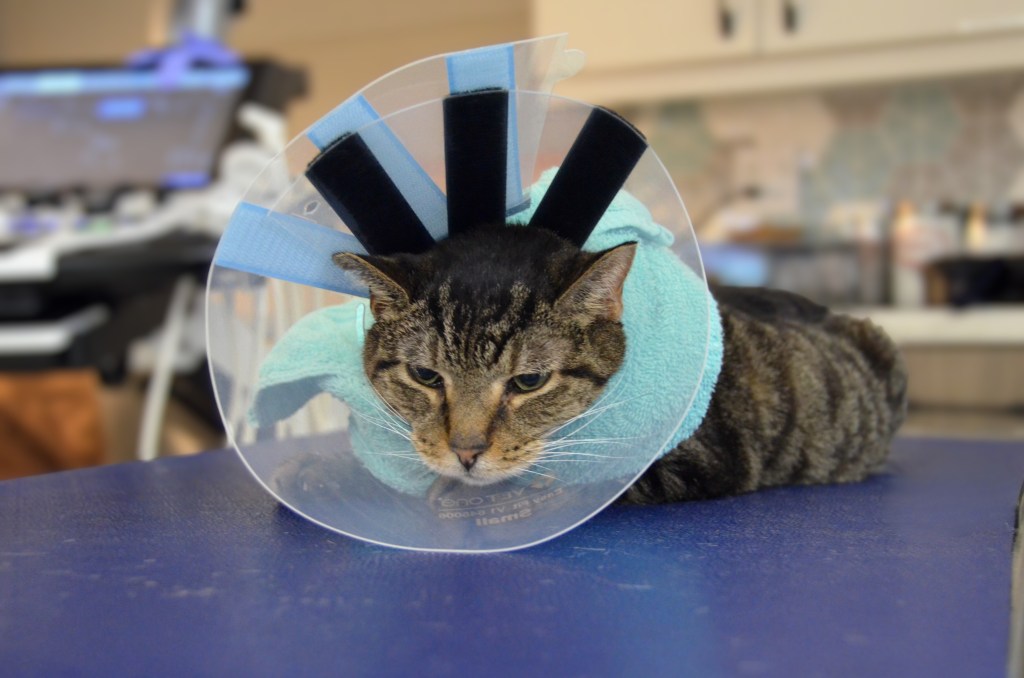
Once radiation levels are safe, cats are discharged home with simple instructions for handling litter and limiting close contact for a short period. Most cats adjust very well to their stay, and many continue to eat, relax, and behave normally during hospitalization.
Is Radioactive Iodine Therapy Safe?
When performed in a licensed facility with trained veterinary professionals, radioactive iodine therapy is extremely safe.
At VSP, our dedicated treatment ward and specialized protocols ensure safety for patients, staff, and families. While cats emit small amounts of radiation immediately after treatment, this decreases rapidly over time.
Complications are uncommon, but may include:
Mild changes in kidney values
Hypothyroidism (managed with medication)
Rarely, the need for a second treatment
Follow-up thyroid hormone testing is scheduled after discharge to ensure the treatment was successful.
A Life-Changing Treatment for Many Cats
For many families, I-131 therapy offers something that other treatments cannot: a true cure for hyperthyroidism.
Instead of managing the disease for years with medication or diet restrictions, radioactive iodine therapy allows many cats to return to normal hormone levels and improved quality of life.
Because hyperthyroidism is so common in older cats, access to advanced treatment options can make a meaningful difference in long-term health.
Advanced Hyperthyroidism Care at VSP
Veterinary Specialist Partners is proud to provide radioactive iodine therapy to cats throughout Kentucky and the surrounding region. As the only hospital in Kentucky currently offering I-131 treatment, we are honored to serve families who travel from across the state (and beyond) to access this specialized care.
Our internal medicine team combines advanced diagnostics, dedicated facilities, and compassionate monitoring to ensure every patient receives the highest standard of care.
If your cat has been diagnosed with hyperthyroidism, our team is happy to help you explore whether radioactive iodine therapy might be the right option.
When Should You Consider I-131 Therapy for Your Cat?
If your cat has been diagnosed with hyperthyroidism, discussing treatment options early can help prevent long-term complications affecting the heart, kidneys, and other organs. Because radioactive iodine therapy treats the underlying cause of the disease, many veterinarians consider it the most effective long-term solution.
At Veterinary Specialist Partners, our team works closely with primary veterinarians to help determine whether I-131 therapy is the right option for each patient.