
I-131 Therapy for Cats
The most effective long-term treatment for feline hyperthyroidism in the region – provided at one of the only specialty centers offering this service in Kentuckiana.
What Is {Radioactive Iodine Therapy (I-131)}?
A safe and effective treatment for feline hyperthyroidism.
Radioactive iodine therapy (often called I-131 therapy) is a safe, well-established, and highly effective treatment for cats diagnosed with hyperthyroidism, a common condition of excess thyroid hormone production in older cats.
Unlike medical or surgical options, I-131 requires a single therapeutic dose and targets only the overactive thyroid tissue, preserving normal thyroid function and eliminating the disease source.
I-131 treatment is widely regarded as the gold standard treatment for hyperthyroidism in cats because it cures the condition in about 95% of cases with just one relatively painless and straightforward treatment.
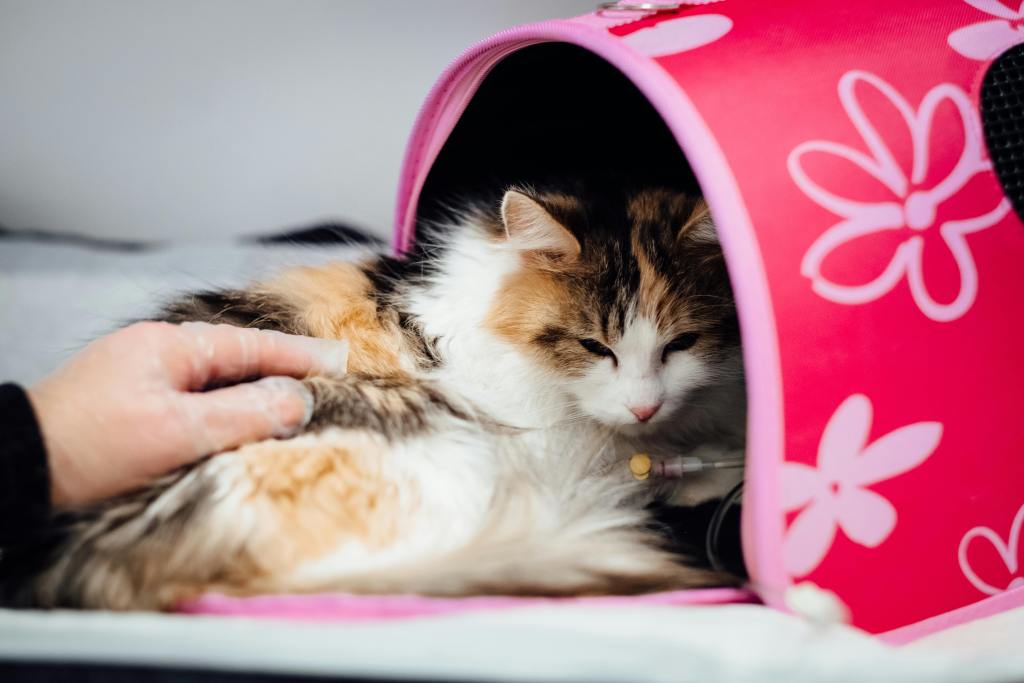
Why Choose {I-131 Therapy} for Feline Hyperthyroidism?
It is critical to treat feline hyperthyroidism.
When left untreated, elevated thyroid levels can lead to cardiac strain and heart disease, weight loss and muscle wasting, increased risk of kidney imbalance, and behavioral and metabolic disturbances.
Many pet parents choose I-131 therapy because it:
- Is highly curative (over 95% of cats) with one treatment
- Eliminates the need for daily medication or special diets in most cases
- Minimizes long-term side effects
- Does not require anesthesia or surgery
- Provides durable, often permanent resolution
What to Expect During {I-131 Treatment}
Before Treatment
Your cat will undergo a comprehensive evaluation, including physical examination and bloodwork, to confirm hyperthyroidism and assess overall health.
Cats with uncontrolled cardiac disease or significant kidney dysfunction are evaluated carefully to determine treatment suitability.
Medications such as methimazole are discontinued prior to treatment so the radioactive isotope can bind effectively.
During Treatment
A licensed veterinarian gently administers a small injection of radioactive iodine just under your cat's skin. The iodine is naturally absorbed by thyroid cells, especially the abnormal overactive tissue, which gets eliminated.
Your cat will remain in a dedicated radiation treatment suite under veterinary supervision for several days while the isotope works and radiation levels decrease to safe limits.
After Treatment
Most cats are ready to return home within about 5-8 days once safety protocols are satisfied.
You will receive detailed instructions for brief home precautions to ensure the comfort and safety of you, your family, and your cat.
Follow-up thyroid hormone testing is scheduled to confirm successful treatment and evaluate for any need for supplementation or continued medication.
{Safety Protocols and Potential Outcomes} of I-131 Therapy
When performed at our licensed facility with trained veterinary specialists and strict safety protocols, I-131 therapy is extremely safe. We take every precaution to protect both your cat and your family.
Here’s what to expect when getting feline radioactive iodine treatment:
Safety Guidelines
- Your cat will stay in a dedicated treatment room during therapy.
- Our dedicated care ensures safety as they emit small amounts of radiation.
- Close contact with your cat will be limited for a short period after discharge for everyone’s safety.
- Our team will provide detailed care instructions before discharge.
Possible Complications
- Rare cases may develop low thyroid levels (hypothyroidism). Hypothyroidism is easily managed with daily thyroid supplements.
- A small percentage of cats might require a second treatment.
- Mild changes in kidney values may occur, especially in cats with pre-existing disease.
Why VSP is the {Best Choice} for I-131 Therapy
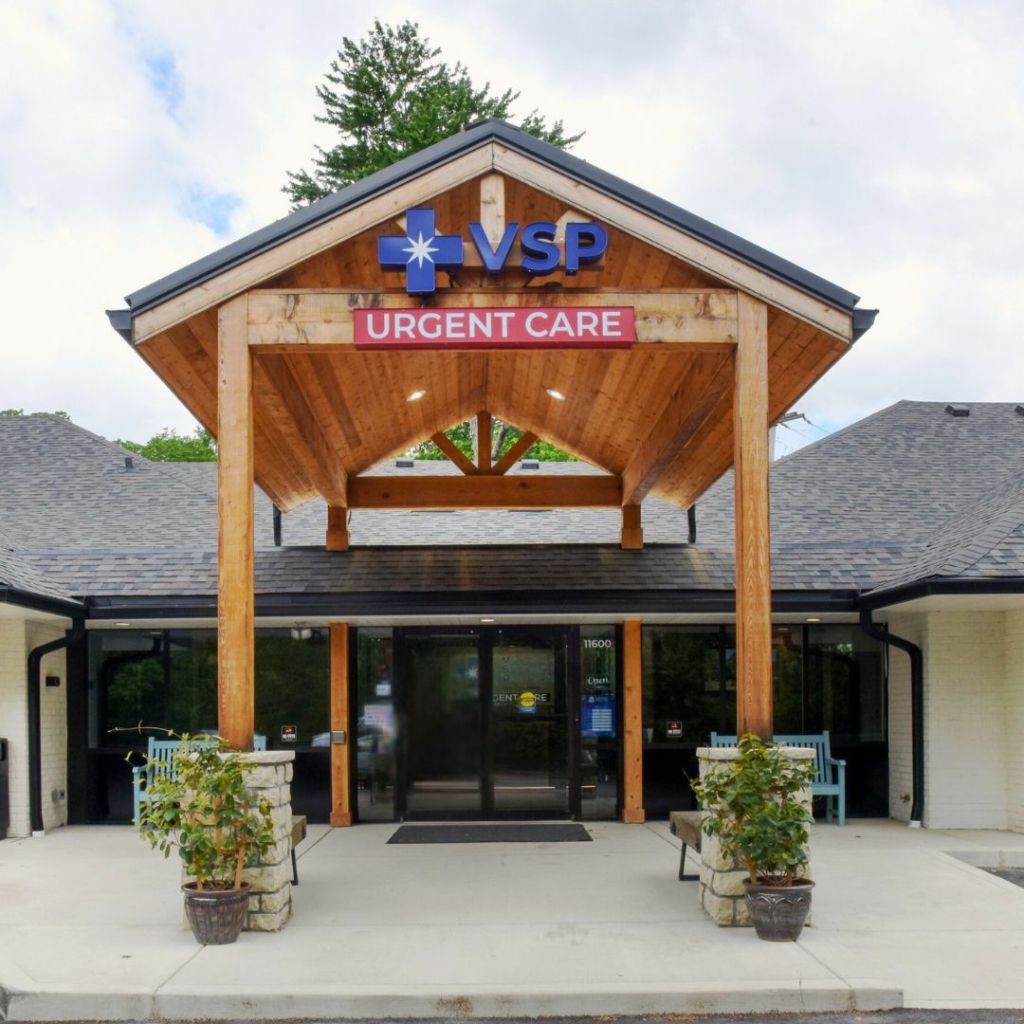
Veterinary Specialist Partners is one of only a few centers in Kentucky offering I-131 therapy for cats, and the only hospital in the state currently providing this service.
What sets us apart:
- Board-certified internal medicine specialists with advanced medical expertise
- Dedicated radiation treatment suite designed for cat comfort and safety
- Daily monitoring and compassionate patient care
- Comprehensive pre-treatment evaluation and owner education
- Seamless coordination with your primary veterinarian
Frequently Asked {Questions}
What is radioactive iodine (I-131) therapy and when is it used?
Facing a diagnosis of hyperthyroidism in your cat can be overwhelming. I-131 therapy is a targeted, highly effective treatment using radioactive iodine to treat overactive thyroid tissue. It focuses the therapy where it’s needed most, often curing hyperthyroidism with minimal stress for your pet. That way, you don’t have to worry about long-term medication management.
How does I-131 therapy work for cats?
I-131 is absorbed by thyroid tissue, but not by other organs. Once administered, it targets and destroys the abnormal thyroid cells responsible for hyperthyroidism. This means the rest of your cat’s body is largely unaffected – which leads to a high success rate and reduced side effects compared with lifelong medication.
Is I-131 therapy safe for my cat (and my family)?
Yes! I-131 therapy has been used safely for decades in veterinary medicine. Your cat is monitored carefully, and radiation safety protocols protect both your pet and our staff. After treatment, we provide instructions to ensure your home environment remains safe, including simple guidance for interactions during the first few days.
How long will my cat stay in the hospital after I-131 therapy?
Cats are monitored in a special radiation suite for about 5 to 8 days until radiation levels are safe for discharge. This ensures that your pet is safe to return home, and you will not be exposed to any dangerous levels of radiation.
How long does it take for I-131 therapy to work?
Most cats begin to respond within days, but full results are typically seen over a few weeks. Your VSP specialist will guide you on what to expect, and when we’ll follow up to confirm improved thyroid function.
Is I-131 therapy better than surgery for hyperthyroidism?
Radioactive iodine is generally considered a safer and more definitive treatment than thyroidectomy, particularly in older cats or those with concurrent conditions. Plus, it is a much less invasive option with faster recovery periods.
Will my cat need medication after I-131 therapy?
Many cats do not need thyroid medication after treatment, because I-131 often effectively resolves hyperthyroidism. Some cats may require additional monitoring or treatment for related conditions, and we’ll work with you to track your pet’s progress over time.
Do I need a referral to come in for I-131 therapy?
Lots of I-131 therapy consultations are scheduled through referral from your primary care vet, who knows your pet’s medical history best, but referrals are not required to meet with our veterinary specialists. If you have questions or concerns about your pet’s symptoms or condition, feel free to reach out to us directly – we can help.
Will my primary veterinarian stay involved in my pet's care?
You don’t have to choose between specialty care and your trusted veterinarian. We work closely with referring doctors and share detailed findings and recommendations. This team-based approach ensures your pet receives consistent, coordinated care at every stage.